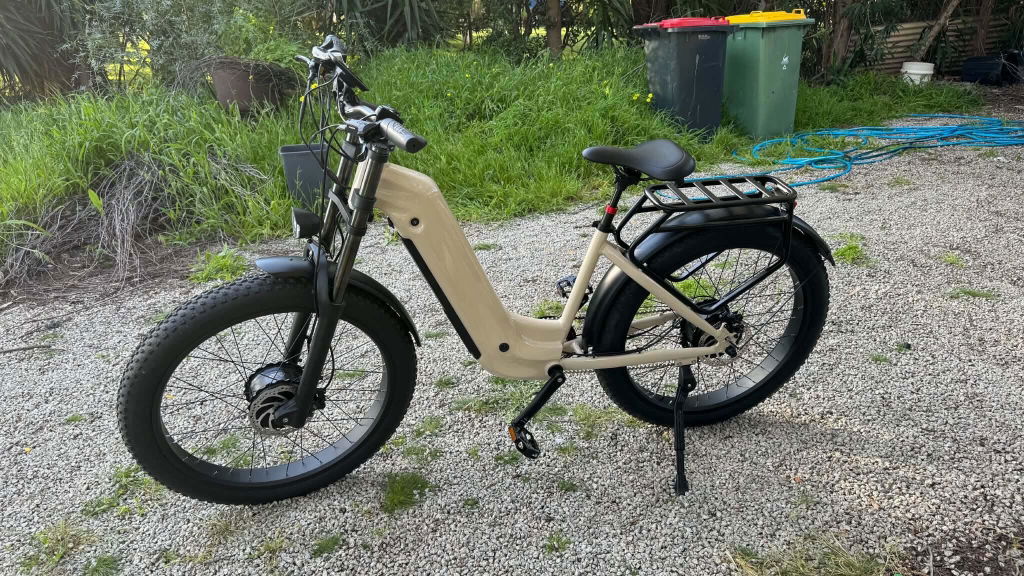
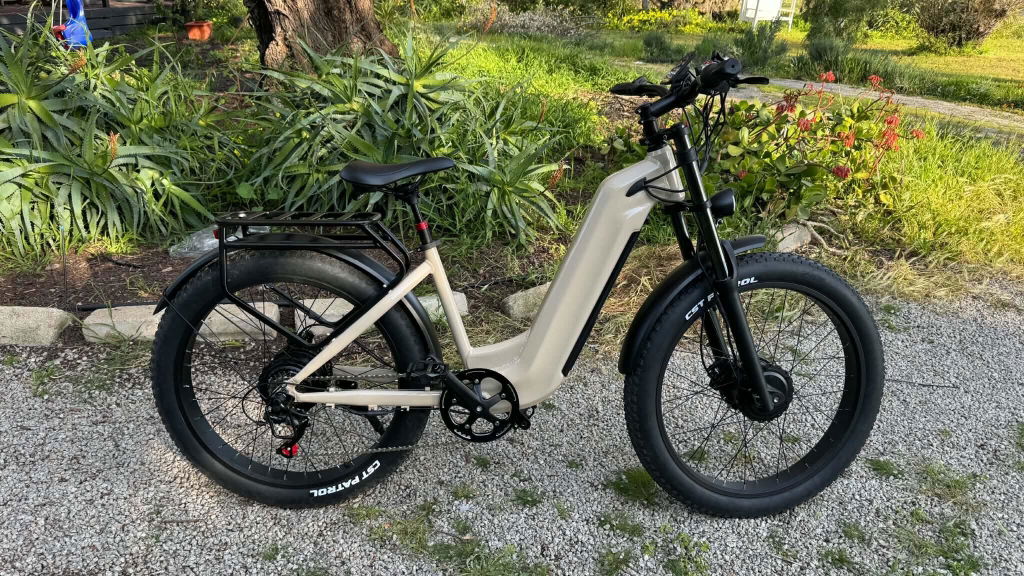
Is a Dual Motor Ebike Worth It?
Share
You feel it straight away on a steep hill, a loose fire trail, or a bike loaded with groceries and a kid seat - some e-bikes cope, and some just get on with the job. That is usually where the question lands: is a dual motor ebike worth it, or is it just more power than most riders actually need?
The honest answer is that dual motor is absolutely worth it for some riders, and unnecessary for others. If your rides involve sharp climbs, soft terrain, heavier loads, longer distances, or you simply want stronger acceleration and more confidence under power, a dual motor setup can feel like a major upgrade. If most of your riding is flat suburban commuting at moderate speeds with minimal cargo, a quality single motor e-bike may be the smarter buy.
When is a dual motor ebike worth it?
A dual motor e-bike makes the biggest difference when conditions get harder. One motor can do a solid job on paved streets and gentle inclines, but two motors spread the work and deliver stronger traction and drive, especially when the bike is under strain.
That matters in Australia. Plenty of riders are not cruising along perfect Dutch-style bike paths. They are tackling hilly suburbs, rougher regional roads, sandy tracks, gravel access paths, coastal conditions, and stop-start traffic with backpacks, shopping or work gear on board. In those situations, extra power is not just about fun. It can make the bike feel more capable, safer and less tiring to ride.
Dual motor also changes the character of an e-bike. It tends to feel more planted off the mark, less hesitant on climbs, and more willing when the terrain turns loose or uneven. For riders who want their e-bike to replace more car trips, that extra capability can be what tips the balance.
What dual motors actually improve
The biggest gain is torque and traction. With power going through both wheels, a dual motor e-bike can climb more confidently and hold momentum better on difficult surfaces. That is a real benefit if you live somewhere with punchy hills or regularly head off sealed roads.
Acceleration is another clear advantage. A dual motor setup usually gets moving faster and with less effort, which can be handy at intersections, on inclines, or when carrying weight. It feels stronger because it is stronger.
There is also the simple benefit of reduced strain. When two motors are sharing the load, each motor is not working as hard as a single motor trying to do everything on its own. That can translate into a smoother, less laboured ride in demanding conditions.
For some riders, the value is not in the headline power figure at all. It is in how easy the bike feels day to day. Hills become less of a negotiation. Headwinds are less annoying. Carrying cargo stops feeling like a chore. That is where dual motor starts to justify itself.
Who should seriously consider dual motor
If you are commuting across hilly terrain, dual motor deserves a proper look. The same goes for riders in regional areas where road surfaces can be rougher and distances longer. Power is not a gimmick when you are asking a bike to do real transport work.
Families using cargo e-bikes are another strong match. Add kids, bags, shopping or school gear and the total weight climbs quickly. A dual motor setup can make starts, hills and everyday manoeuvring much easier.
Off-road riders will also notice the benefit. On dirt, gravel, grass or sand, extra drive and better traction can be the difference between enjoying the ride and fighting the bike. If your e-bike is for trails, property use or adventure riding, dual motor starts to make a lot of sense.
Heavier riders often find dual motor more reassuring too. It can deliver stronger support without feeling like the bike is working at its limit. The same applies to older riders or anyone returning to cycling who wants confidence and control without having to grind through every climb.
When a single motor is the better choice
Not every rider needs maximum output. If your trips are mostly on flatter urban roads, bike paths and short commutes, a single motor e-bike can be excellent value. It will often be lighter, simpler and more than capable for everyday use.
A single motor model may also suit riders who prioritise a more natural bike feel or who need to carry the bike upstairs, lift it onto a rack, or move it around tight spaces often. Dual motor bikes tend to be heavier, and that is worth thinking about before you get carried away by the spec sheet.
Price matters too. While dual motor can offer serious performance for the money, it still usually costs more than a comparable single motor bike. If you are not going to use the extra capability, that money may be better spent on battery capacity, comfort, accessories or a frame style that better suits how you ride.
The trade-offs you should know before buying
Power is great, but it is not free. Dual motor e-bikes usually weigh more, and that affects handling when the bike is unpowered or when you are manoeuvring it by hand. If storage is tight or you need to lift the bike regularly, this can become a real consideration.
Battery use is another factor. Two motors can draw more power, especially if you regularly use higher assist levels or ride hard. That does not automatically mean poor range - battery size, riding style, terrain and load all matter - but dual motor riders should pay close attention to battery capacity rather than assuming all e-bikes will deliver the same distance.
Maintenance and setup can also be a little more involved simply because there is more going on. That does not mean dual motor bikes are unreliable. It just means you want a bike built with quality components, backed by proper support, clear warranty coverage and safety certification.
Then there is the legal and practical side. Riders should always check the local rules that apply to e-bike use, especially if they are comparing high-powered models for road, shared path or off-road riding. The right bike is not just the most powerful one. It is the one that fits where and how you actually ride.
Is a dual motor ebike worth it for commuting?
For the right commuter, yes - very much so. If your ride includes steep grades, longer distances, heavy gear, or you simply want to arrive less sweaty and less worn out, dual motor can turn a difficult commute into an easy one.
It is especially appealing for riders replacing car trips. When an e-bike becomes your run-to-work, school-drop, quick-shop and weekend machine, capability starts to matter more. You want a bike that handles bad weather, headwinds, extra weight and less-than-perfect roads without feeling underdone.
But if your commute is ten kilometres of mostly flat path and suburban streets, a dual motor e-bike may be more bike than you need. A good single motor commuter can still deliver comfort, range and enough assistance to make daily riding enjoyable.
How to decide if the extra spend is worth it
A good rule is to look at friction points in your current rides. If hills, cargo, rough terrain, distance or acceleration are the things that make cycling harder, dual motor directly addresses those problems. If your only goal is easy cruising on flat roads, the upgrade may not change much.
It also helps to think beyond test-ride excitement. Plenty of bikes feel quick in the first five minutes. The better question is whether that extra power will still matter after six months of commuting, errands or weekend rides. If it saves effort every time you ride, that value adds up fast.
For Australian riders, terrain and use case really do matter. A bike that feels over-specced in inner-city flats can feel spot on in hilly suburbs, coastal tracks or regional areas. That is why the best buying decision is rarely about chasing the cheapest option or the biggest number. It is about matching the bike to the work you need it to do.
Brands that build for real-world conditions make this decision easier. Merkx, for example, leans into performance, larger batteries and practical categories because riders here often need more than a basic city bike. That extra capability can be the difference between an e-bike you occasionally use and one you rely on.
If your e-bike needs to haul, climb, push through rougher surfaces or confidently replace more car trips, dual motor is often money well spent. If your riding is light-duty and predictable, single motor is still a strong, sensible option.
The smartest choice is not the one with the flashiest spec sheet. It is the bike that makes your everyday ride feel easy enough that you want to keep choosing it.