Best Commuter eBike Australia: What to Buy
Share
Peak-hour traffic, crowded trains and rising petrol costs have turned the daily commute into a grind. That is exactly why more riders are looking for the best commuter ebike Australia has to offer - not as a toy, but as a practical way to get to work faster, cheaper and with far less hassle.
The catch is that a good commuter e-bike is not just any e-bike with skinny tyres and a battery. Australian riders need something that can handle longer distances, rougher roads, steep suburban streets and stop-start city riding without becoming uncomfortable or unreliable after a few weeks. If you are buying for real weekday use, the best choice comes down to how and where you ride.
What makes the best commuter ebike Australia riders actually want?
A commuter bike needs to work on ordinary days, not just test-ride days. That means it has to feel easy to live with when you are carrying a laptop, wearing work clothes, leaving early, riding home tired and dealing with whatever the road throws at you.
Power matters more in Australia than many buyers expect. If your route includes hills, headwinds or longer stretches through outer suburbs, a weak setup starts to feel frustrating very quickly. Strong motor support helps you arrive less sweaty, maintain a steady pace and make cycling feel realistic even when motivation is low.
Range is just as important. Plenty of riders shop based on the maximum number printed on a spec sheet, but real-world commuting is different. Hills, rider weight, traffic lights, assist level, cargo and wind all affect battery performance. If your round trip is 30 to 40 km, you do not want a bike that is only just capable of it on paper. You want breathing room.
Comfort is where many commuter purchases are won or lost. An aggressive riding position can feel quick for ten minutes, then punish your back, wrists and neck over a full week of use. A better commuter e-bike usually has a more upright fit, stable handling and enough tyre volume to smooth out rough roads, painted lines and patchy bike paths.
Then there is practicality. Mudguards, integrated lights, a rear rack, quality brakes and puncture-resistant tyres are not glamorous, but they matter every day. The best commuter setup reduces friction. If riding to work feels easy to organise, you will keep doing it.
Best commuter ebike Australia buyers should choose by riding style
There is no single perfect bike for every commuter. The right option depends on whether you are riding into the CBD, cruising between suburbs, mixing sealed roads with rougher paths or replacing short car trips with one bike that does everything.
For city and inner-suburban commuting
If most of your ride is on bike lanes, smoother roads and shared paths, a lighter commuter-style e-bike with efficient tyres and an upright position usually makes the most sense. You want enough power to launch cleanly from traffic lights and climb moderate hills, but not necessarily a huge off-road setup that adds bulk.
A step-through frame can also be a smart choice here, especially if convenience matters more than sporty looks. It is easier to mount in work clothes, easier to stop and start, and generally more approachable for everyday riding. For many people, that translates into using the bike more often.
For suburban commuters with distance and hills
This is where power and battery size start to separate average bikes from genuinely useful ones. If you are covering longer distances from middle-ring or outer suburbs, or your route includes repeated climbs, a stronger motor and larger battery are worth paying for.
This type of rider should focus less on the lightest frame and more on consistent assistance, comfort over longer rides and enough range to avoid charging anxiety. A commuter e-bike that can comfortably handle your full week routine is better value than a cheaper model that feels underdone after the novelty wears off.
For mixed terrain and rougher roads
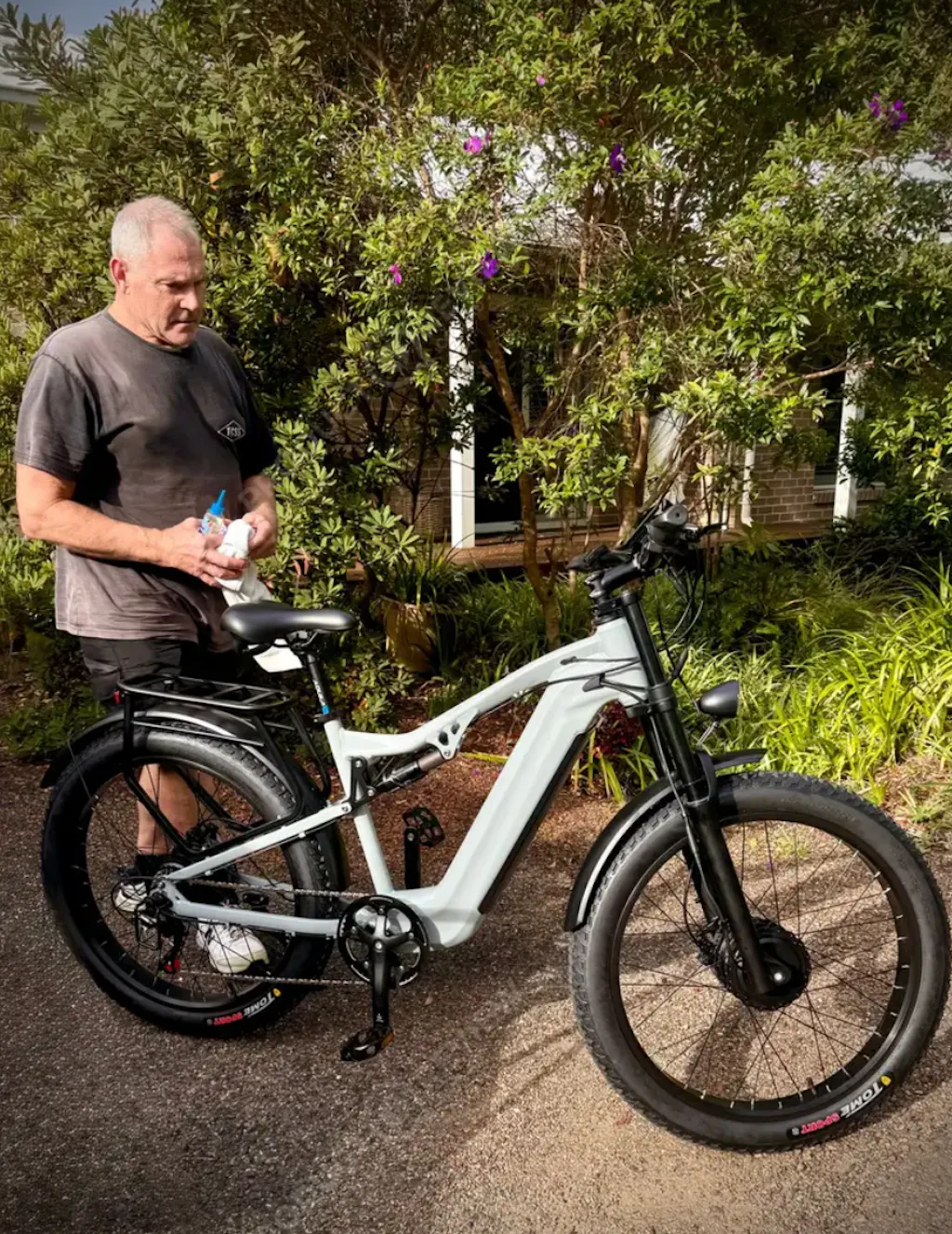
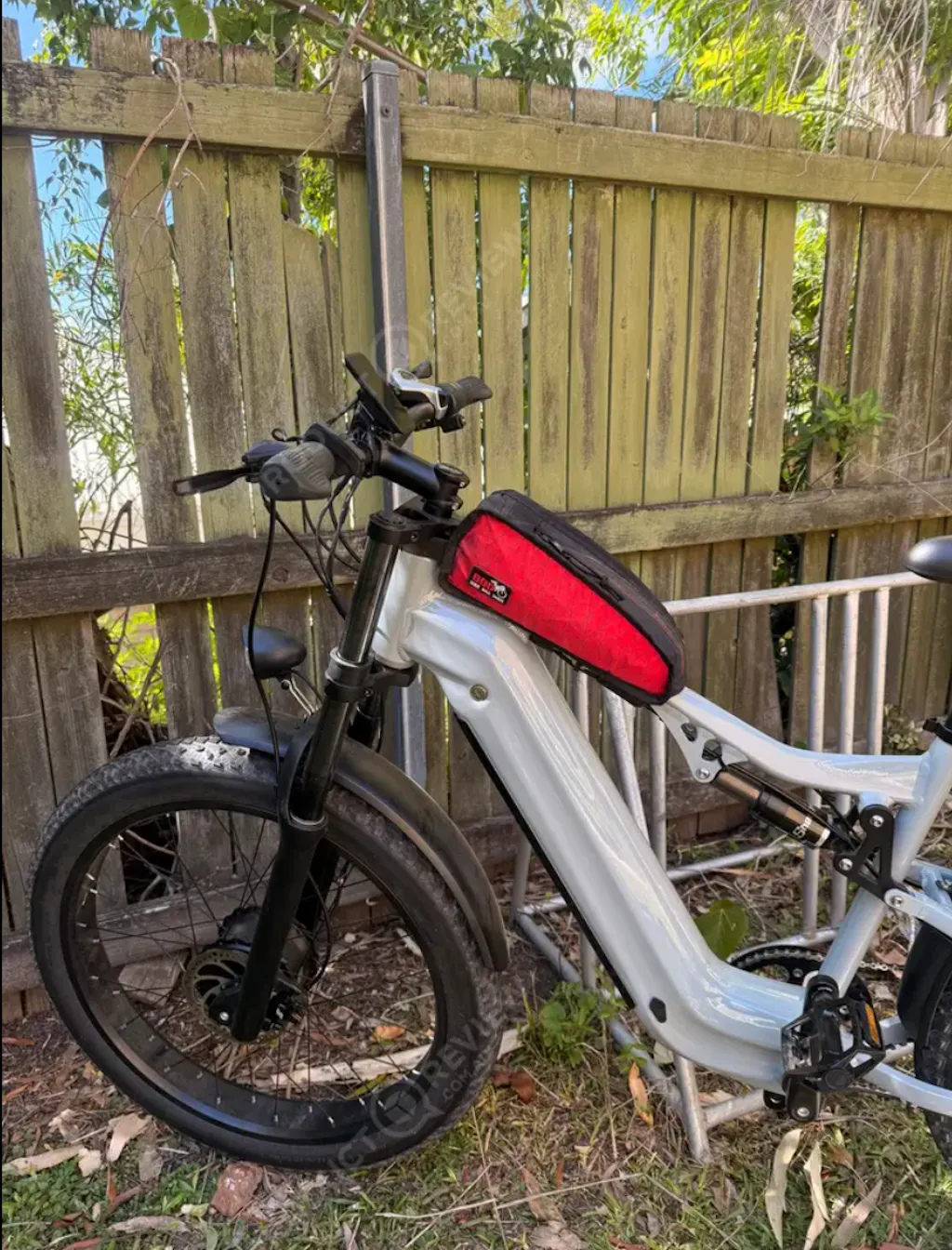
A lot of Australian commuting is not polished bike-lane riding. It can mean patched bitumen, drainage grates, gravel shortcuts, kerbs, uneven shoulders and rough local streets. If that sounds familiar, look for wider tyres, solid suspension where appropriate and a bike that feels planted rather than twitchy.
This is also where performance-oriented commuter e-bikes stand out. They give you enough versatility to ride to work during the week and take the longer way home or head out for fitness on the weekend. That extra capability often means better long-term value.
For errands, school runs and carrying gear
If your commute includes shopping, work gear, child transport or regular cargo, a standard commuter frame may not be enough. Cargo e-bikes and long-tail styles make far more sense when your bike is replacing a car for short trips.
They are heavier, yes, but that is the trade-off for utility. With the right setup, carrying bags, groceries or family gear becomes normal rather than awkward. For some households, that is the real turning point where an e-bike becomes indispensable.
The specs that matter most before you buy
It is easy to get distracted by headline numbers. A smarter approach is to think about which specs improve the ride you will actually do every week.
Motor performance should be high on the list. You are not just buying speed. You are buying easier hill climbing, quicker starts at intersections and less effort when carrying weight or riding into a headwind. A punchier motor setup can make the difference between an e-bike that feels capable and one that feels like a compromise.
Battery capacity is about consistency. Bigger batteries usually mean more usable range, fewer charging cycles and more confidence if your day changes unexpectedly. If you sometimes ride farther than planned or forget to charge overnight, extra battery capacity is not overkill. It is insurance.
Brakes deserve more attention than they get. A commuter e-bike is heavier and faster than a standard bicycle, especially once you add bags or cargo. Strong hydraulic disc brakes are a major plus for control in traffic and wet conditions.
Tyres shape ride quality more than many buyers realise. Narrow, hard tyres can feel quick but harsh. Wider tyres usually provide better grip, more comfort and more confidence on mixed surfaces. For everyday Australian commuting, that is often the smarter balance.
Frame design also matters. Step-through bikes prioritise access and ease. Traditional frames often feel sportier and stiffer. Neither is automatically better. It depends on your body, your route and how you use the bike day to day.
Where buyers get it wrong
One common mistake is buying too little bike. A cheap e-bike with a small battery and modest power may look fine on a product page, but daily commuting exposes weaknesses fast. If the range drops off, the brakes feel average or the ride is uncomfortable, you stop using it.
Another mistake is buying too much bike in the wrong direction. A massive off-road machine can be brilliant, but if your commute involves tight storage, train stations or carrying the bike up steps, bulk becomes a real issue. More power is useful. Unnecessary weight is not always.
Some riders also underestimate the value of after-sales support, warranty cover and safety certification. These are not exciting features, but they matter when you are relying on the bike several times a week. A commuter e-bike should feel like dependable transport, not a gamble.
Why value beats the cheapest price
The best commuter e-bike is rarely the cheapest option on the page. Value comes from how well the bike solves your transport problem over time.
If a higher-spec bike gives you stronger power, better brakes, longer range and more comfort, it can save money in the long run simply because you use it more. More use means fewer car trips, less fuel, lower parking costs and less frustration. That is where a quality commuter e-bike starts paying for itself.
For Australian buyers, it also helps to choose a brand that understands local riding conditions. Strong spec choices, practical categories, proper support and clear warranty backing make a big difference when you are buying online. That is one reason brands like Merkx are gaining attention with riders who want performance, value and bikes built for more than just smooth inner-city paths.
So what should you buy?
If your commute is short and urban, prioritise comfort, practicality and easy handling. If it is longer or hillier, put motor strength and battery size near the top of the list. If you are mixing work trips with errands, family duties or rougher routes, versatility matters more than chasing the lightest frame.
The best commuter ebike Australia riders can buy is the one that turns daily travel into something simple enough to repeat and powerful enough to enjoy. Buy for your actual route, not your idealised one, and you will end up with a bike that earns its keep every weekday.