eBike or Scooter Commuting: Which Works Best?
Share
A five-kilometre commute can look very different at 7:45am in summer heat, with a laptop on your back and traffic barely moving. That is where e-bike or scooter commuting becomes a real-world decision, not just a question of what is cheaper or more fun. Both can cut fuel costs, parking stress and time spent sitting in traffic. But one may suit your route, load and riding confidence far better than the other.
For most Australians who want a dependable replacement for regular car trips, an e-bike is the more capable all-rounder. A scooter can be a sharp choice for short, smooth urban runs with limited storage needs. The right answer comes down to distance, terrain, what you carry and whether you need your ride to do more than get you from A to B.
e-bike or scooter commuting: start with your actual trip
Ignore the highlight reel for a moment and picture your normal weekday. Are you travelling two flat kilometres through the CBD, or 12 kilometres from the suburbs with a hill, a rough shared path and a stop at childcare on the way home? Is there secure bike parking at work? Will you arrive in office clothes, gym gear or high-vis? These details matter more than a headline top speed.
Electric scooters are compact and convenient. Many fold down, fit beside a desk and make sense for riders who need to combine a short ride with a train or tram trip. On a smooth, predictable route, they can feel quick, simple and surprisingly economical.
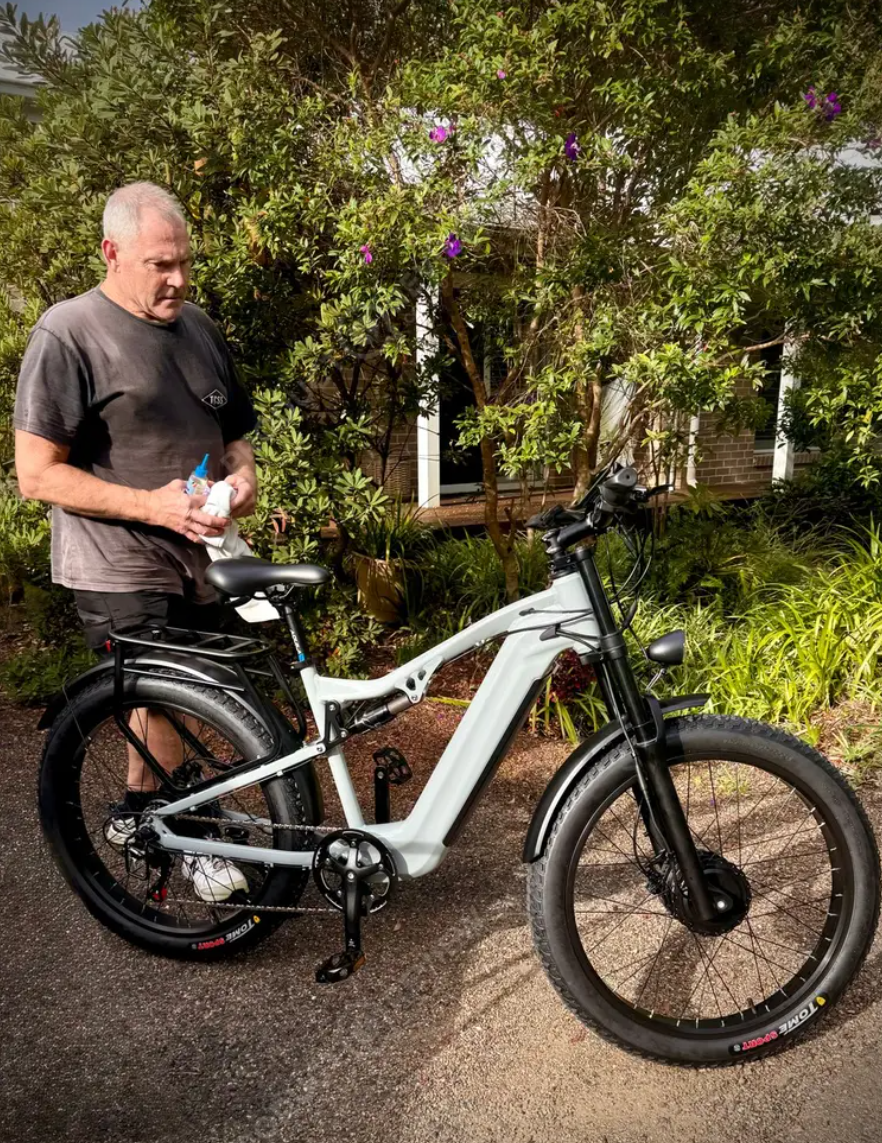
E-bikes ask for a little more parking space, but repay you with a more stable, comfortable ride. Bigger wheels handle cracks, driveway lips, gravelly shoulders and rougher paths with far more confidence than the small wheels common on stand-up scooters. Pedal assist also gives you a useful advantage: you can keep moving if the battery is low, and you can choose how much effort you want to put in.
The distance test
For very short trips - roughly one to four kilometres on good pavement - a scooter can be practical. It is easy to roll out, easy to store and fast enough to beat a slow walk or a parking hunt.
Once your commute regularly stretches beyond that, an e-bike starts to make more sense. Larger batteries, a more natural riding position and pedal assistance make longer trips less tiring. You are also less exposed to the constant vibration that can make a scooter ride feel harsh after 20 or 30 minutes.
Range should never be judged by the biggest number printed on a product page. Headwinds, rider weight, hills, tyre pressure, cargo and assist settings all affect it. Choose enough battery capacity that your regular return trip does not leave you watching the charge indicator every afternoon. A buffer is freedom.
Comfort and confidence on Australian streets
Australia does not offer one uniform commute. Melbourne can serve up tram tracks, wet leaves and busy shared paths. Sydney riders may face serious climbs. Brisbane heat changes what feels comfortable, while suburban and regional routes can include broken surfaces, long shoulders and gusty open roads.
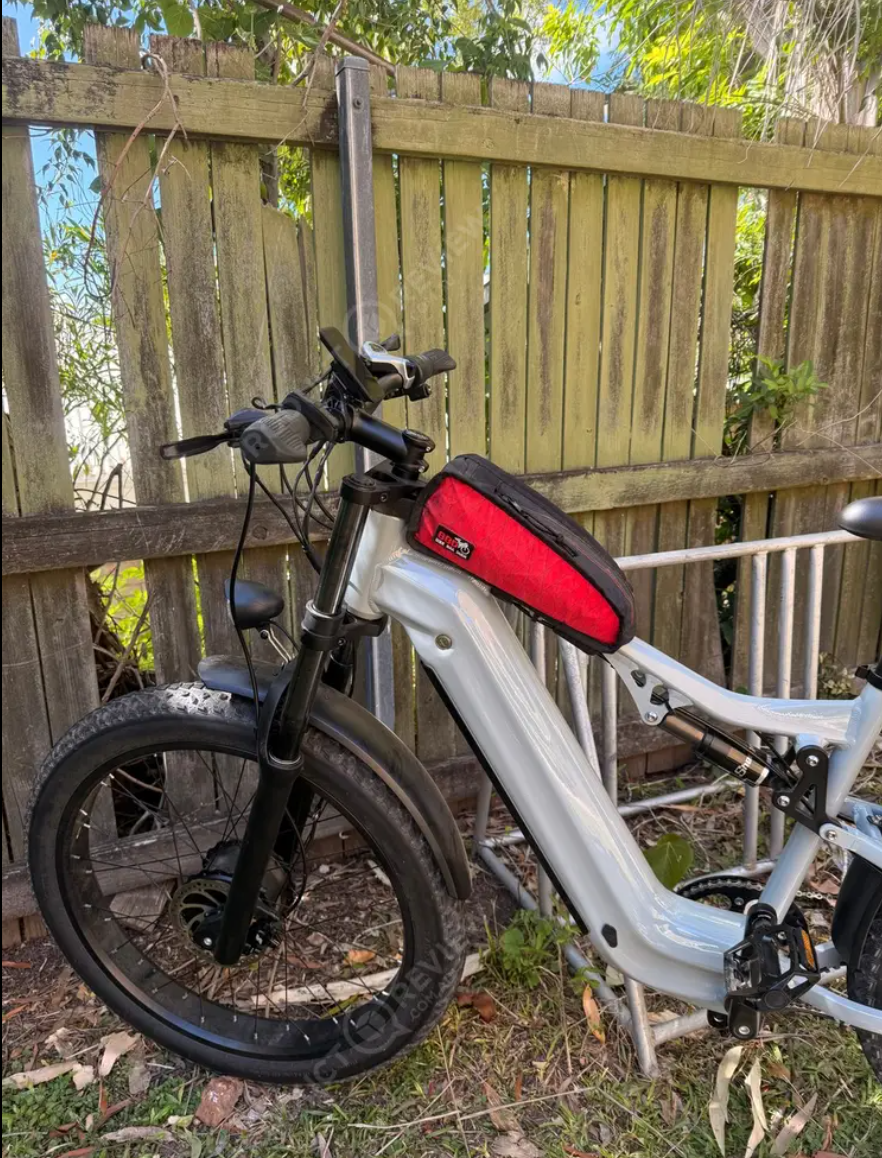
This is where an e-bike's design earns its place. Full-size tyres offer more grip and stability. A proper saddle, upright bars and suspension options can reduce fatigue over longer distances. Step-through e-bikes make getting on and off easy when you are wearing work clothes or stopping frequently, while more powerful commuter and all-terrain models make hills feel far less intimidating.
A scooter requires greater attention to surface quality. Small wheels can catch in potholes and loose gravel, and standing for the whole trip asks more from your wrists, knees and ankles. That does not make scooters a bad option. It simply means their sweet spot is narrower: shorter, flatter routes with consistent surfaces.
Wet weather is another honest divider. Neither option is ideal in heavy rain, and sensible riders slow down, wear a helmet and use lights. Still, an e-bike generally feels more planted when conditions turn slippery. Wider tyres and a seated riding position help you stay composed when the trip home is not as tidy as the trip in.
Carrying your day changes the answer
Commuting is rarely just commuting. You might need to carry a laptop, lunch, a change of clothes, groceries or a child’s school bag. On Friday, that same vehicle might be doing a run to the shops. This is where a scooter's portability can become a limitation.
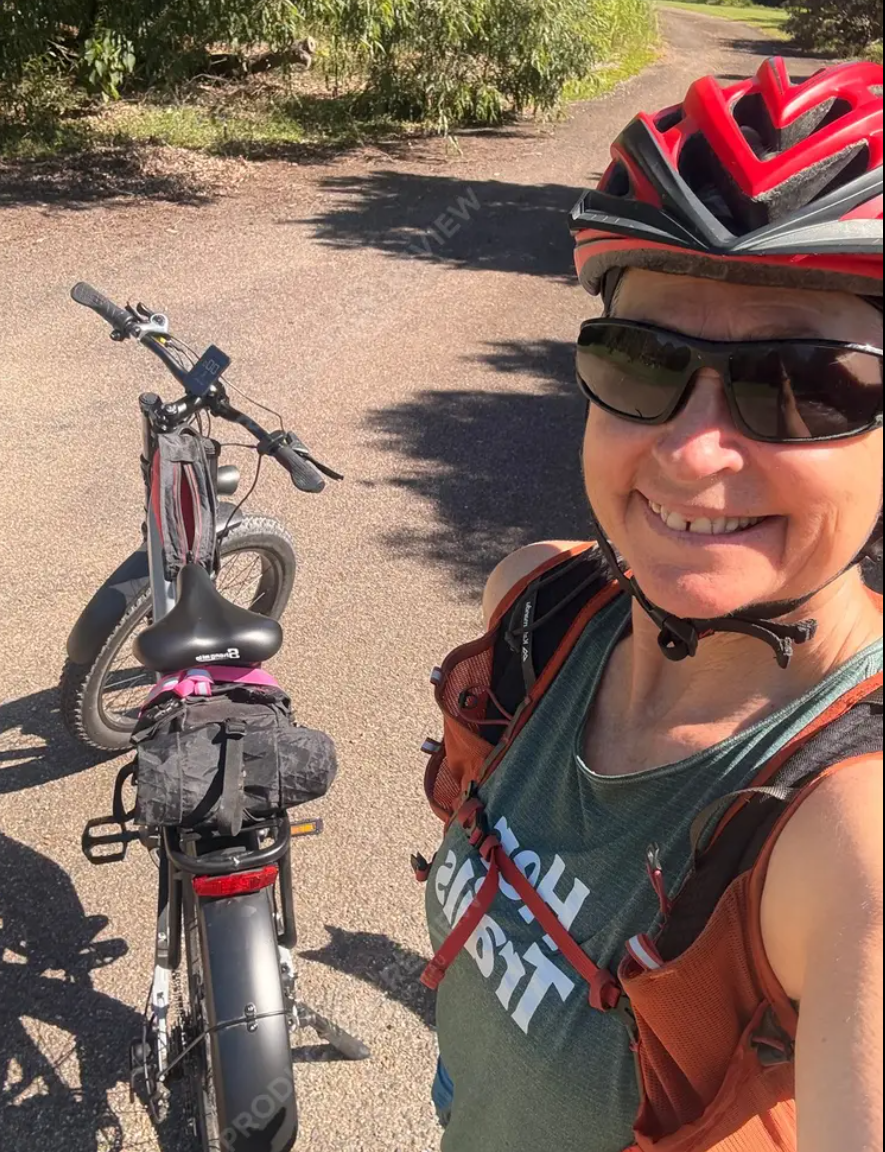
An e-bike can be fitted with a rack, panniers, front basket or cargo setup, allowing the weight to sit on the bike rather than on your shoulders. That makes a meaningful difference to comfort, balance and how much you can actually bring home. Cargo e-bikes go further, offering a practical alternative for school drop-offs, errands and family transport.
If your only cargo is a small backpack and your workplace has no bike storage, a folding scooter remains appealing. But if you want one electric vehicle that can handle work, shopping and weekend rides, an e-bike gives you more reasons to leave the car at home.
Cost is more than the sticker price
An electric scooter often has a lower upfront price, which can make it attractive for first-time electric commuters. It also takes up almost no room in an apartment or office. For a short city trip, that value is hard to ignore.
However, the cheapest purchase is not always the strongest long-term value. Consider how many car trips you want to replace, how long you expect to keep the vehicle and whether it will still suit you when your routine changes. An e-bike can cover a broader range of trips, and its components are often designed for higher kilometres and heavier everyday use.
Maintenance is also different. Both need basic care: keep tyres correctly inflated, check brakes, charge the battery as directed and store the vehicle out of harsh weather. E-bikes have more familiar serviceable parts, including bicycle tyres, chains and brake components. Scooters are mechanically simpler in some ways, but tyre repairs and specialised parts can be less convenient depending on the model and local support.
For either choice, factor in a quality helmet, lights, a lock and secure storage. Saving on the ride only to lose it to theft is no saving at all.
Check the rules before you buy
Electric scooter rules vary across Australia and can change by state, territory and even by local area. Where scooters are permitted, there may be limits on where they can be ridden, their speed, required equipment and whether privately owned scooters are allowed on public paths or roads. Do not assume a rental-scooter rule automatically applies to your own scooter.
E-bike rules also matter. Road-legal e-bikes are generally pedal-assisted and must meet the applicable Australian requirements. Powerful models intended for off-road riding may not be suitable for public roads or shared paths in their unrestricted form. Before commuting, check the current rules in your state or territory and the conditions set by your local council, workplace or public transport provider.
That small piece of homework protects your purchase and helps keep every ride safer for pedestrians, other riders and you.
Choose the ride that keeps working after Monday
Choose a scooter if your commute is short, smooth, storage is tight and portability is your biggest priority. It is a practical urban tool when the route suits it.
Choose an e-bike if you ride farther, deal with hills or rough surfaces, need to carry more, want a comfortable seated position or want your weekday transport to double as a weekend escape. For riders who want power without the daily cost and hassle of a car, that versatility is hard to beat. Merkx e-bikes are built around that bigger picture - commuting capability, Australian-ready performance and the freedom to take the longer way home when the day calls for it.
The best commuter vehicle is the one you will happily use on an ordinary Tuesday, with a headwind, a full bag and somewhere useful to be.