Electric Bike for Off Road Riding Guide
Share
One loose fire trail, one steep pinch, and one stretch of soft gravel is usually enough to show whether an electric bike for off road riding is the real deal or just dressed for it. On Australian terrain, the difference shows up fast. You feel it in the way the bike holds traction, climbs without bogging down, and keeps you comfortable when the track gets rough.
That is why buying for off-road use needs a practical lens. Big claims are easy. What matters is how the bike handles hills, corrugations, loose corners, changing surfaces and longer rides away from smooth bitumen. If you want a bike that can handle weekend trails, property tracks, bush access roads or rough recreational riding, a few key features matter far more than marketing fluff.
What makes an electric bike for off road riding work
A capable off-road e-bike is really about control under pressure. Power matters, but usable power matters more. You want support that helps on climbs and rough sections without feeling twitchy or hard to manage. A bike that is quick in a straight line but unsettled on uneven ground can become tiring fast.
Frame strength, tyre grip, braking confidence and battery range all need to work together. If one part is underdone, the whole ride suffers. A powerful motor paired with skinny tyres and basic brakes is not much use once the ground turns loose or steep.
For most riders, off-road capability also needs to fit real life. Maybe the bike spends Saturday on dirt and Monday on a rail trail. Maybe it has to carry a bit of gear, tackle a few climbs, and still be comfortable enough that you actually want to ride it again next week. The best setup is the one that suits your terrain, fitness and riding habits, not the one with the longest spec sheet.
Motor power: enough is better than barely enough
Off-road riding asks more from a motor than flat commuting does. Hills, sand, gravel and mud all increase the load. If you are riding in regional areas, on forestry tracks or up punchy suburban fire trails, stronger assistance can turn a hard slog into a ride you enjoy.
That does not mean every rider needs the most extreme setup available. If your rides are mostly hard-packed trails with moderate elevation, a solid single-motor bike may be enough. If you are heavier, carrying gear, tackling steeper climbs or riding rougher terrain more often, extra torque becomes much more valuable.
Dual-motor setups can make a real difference where traction and climbing matter. They spread drive more effectively and help the bike keep moving on tougher ground. The trade-off is usually weight and, depending on the setup, a more serious feel that may be overkill for casual dirt-path use. It depends on whether you want light recreation or genuine all-terrain punch.
Suspension, tyres and brakes matter just as much
A lot of buyers focus on the motor first, then regret skimping on the parts that shape ride quality. On rough ground, suspension is what keeps the bike planted and your body less battered. Even front suspension alone can take the sting out of corrugations, tree roots and rocky entries. A full-suspension setup can go further again, especially if your rides are longer or rougher, but it also adds cost and complexity.
Tyres are one of the clearest signs of whether a bike is built for dirt. Wider tyres with proper tread improve grip, comfort and confidence. They help smooth out chatter and give you a bigger contact patch on loose surfaces. If you are mostly riding gravel roads and smoother trails, you can get away with a less aggressive tread. If your routes include soft dirt, steeper descents or loose corners, grip becomes non-negotiable.
Brakes deserve the same attention. Off-road riding creates more speed changes, more weight transfer and more moments where you need confidence instantly. Hydraulic disc brakes are a strong fit because they deliver better control and less hand fatigue, especially on longer descents. Mechanical systems may be fine for lighter use, but once the terrain gets serious, stronger braking is money well spent.
Battery range off road is never just a number
Range figures can look generous on paper, but dirt riding changes the equation. Climbing, soft surfaces, stop-start riding and higher assist levels all drain the battery faster than a mellow cruise on bike paths. If you are shopping for an electric bike for off road riding, treat claimed range as a best-case guide, not a promise.
A larger battery gives you more flexibility and more confidence to head further without constantly watching the charge level. That matters in Australia, where rides can stretch out quickly and charging points are not always close by. It is especially useful if you ride in windy conditions, on hilly terrain or at a higher power setting.
There is a balance, though. Bigger batteries add weight, and weight affects handling. For some riders, that trade-off is worth it for the extra distance. For others, a lighter bike with enough range for their usual loop feels better overall. Think about your real rides, not your once-a-year epic.
Fit and comfort decide whether you keep riding
Off-road capability means little if the bike feels wrong after twenty minutes. Comfort is not a soft extra. It affects control, confidence and stamina. A frame that suits your height, a riding position that does not punish your back, and contact points that feel right can change the whole experience.
This is where many riders make a smarter choice by being honest about how they ride. If you want an aggressive trail feel, a sportier setup makes sense. If you want mixed use with dirt capability, a more upright position may be the better call. There is no prize for buying a bike that looks hardcore but leaves you sore and reluctant to use it.
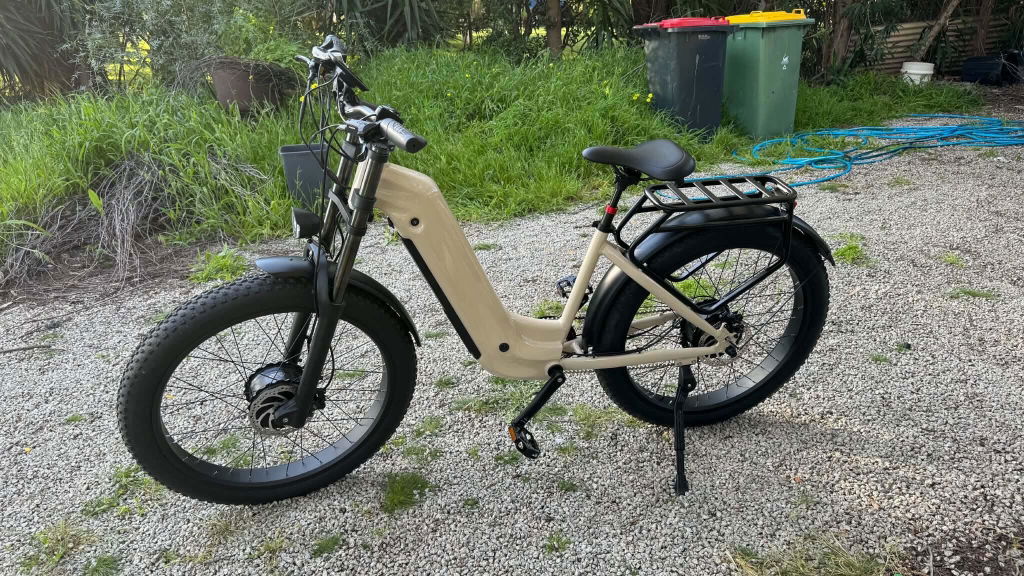
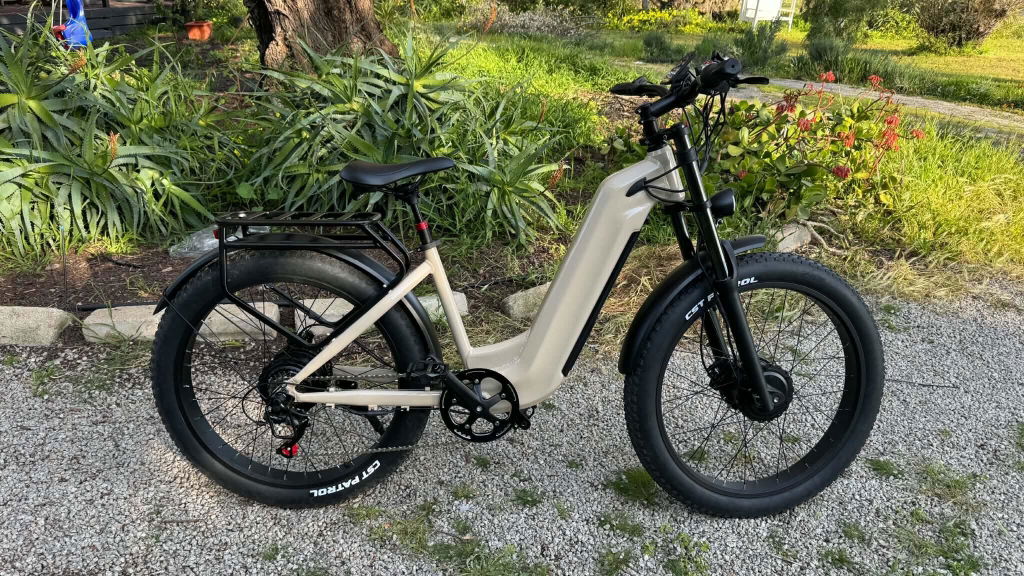
Step-through designs can even make sense for some riders who want easier mounting and everyday practicality, but for more demanding off-road use, a more traditional frame often brings better stiffness and control. Again, it depends on the terrain and the rider. Comfort and capability should work together.
The best electric bike for off road riding depends on where you ride
Australian conditions are varied enough that there is no one-size-fits-all answer. Hard-packed trails in outer Melbourne are a different job from sandy coastal tracks, hilly bush access roads or rough regional property use. The bike that feels brilliant on one surface may feel average on another.
If your riding is mostly gravel, light trail and mixed recreational use, focus on balanced power, front suspension, quality brakes and tyres that can handle loose sections without dragging on firmer ground. If you are regularly tackling steeper climbs, rougher tracks and more remote terrain, prioritise stronger motors, bigger battery capacity and a tougher overall build.
This is also where value matters. A cheaper bike with flashy headline specs can cost you in comfort, control and reliability. A better-built bike often feels easier, safer and more capable from the first ride. That is especially true when the terrain is unpredictable.
What to check before you buy
Look past the ad and ask simple questions. What surfaces will I actually ride most often? How steep are the hills? How far do I want to go? Do I need something that can handle recreation and day-to-day use, or is this mainly a dirt-focused bike?
Then check whether the bike backs up its promise. Motor output, battery size, brake type, suspension quality, tyre width and frame design should all make sense together. If one part looks weak, it usually is. A strong after-sales setup matters too, because support, warranty and parts availability are part of the ownership experience, not an afterthought.
For Australian riders, it also makes sense to buy from a brand that understands local conditions and backs its bikes properly. That is one reason riders look at Merkx when they want strong performance without stepping into inflated pricing. The appeal is straightforward - power where it counts, practical features, and bikes designed to handle real terrain rather than showroom fantasy.
Off-road riding should feel like freedom, not hard work with a battery attached. Get the right bike, and steep climbs feel shorter, loose tracks feel more manageable, and longer rides become something you chase rather than avoid. Start with the terrain you know, choose the features that match it, and you will end up with a bike that keeps asking the same question every weekend: where to next?