Best Ebikes for Rough Terrain in Australia
Share
A loose gravel climb can expose a weak e-bike in seconds. The rear wheel spins, the battery drains faster than expected and every jolt travels straight through the frame. The best ebikes rough terrain riders choose are built for more than a smooth bike path - they need traction, control and enough power to keep moving when the track turns steep, sandy or badly corrugated.
For Australian riders, that could mean a fire trail outside town, a rutted farm track, beachside sand, a bush access road or the rough shortcut home. The right bike makes those rides feel like freedom. The wrong one can turn a good idea into a long walk uphill.
What makes the best ebikes rough terrain ready?
A capable off-road e-bike is not defined by one oversized number on a spec sheet. Motor power matters, but so do tyres, suspension, battery capacity, braking and frame stability. These parts work together to give you confidence when the surface is unpredictable.
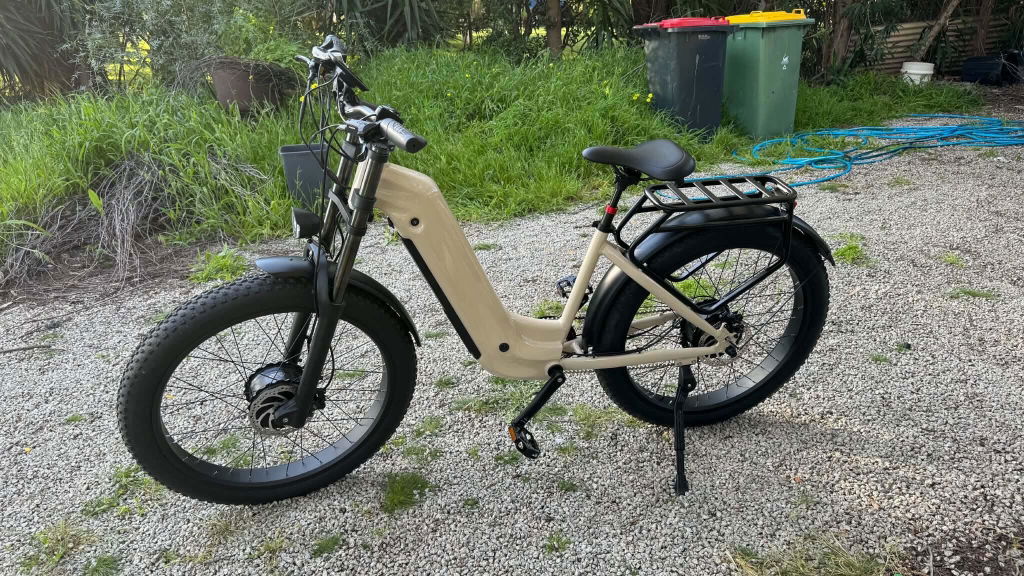
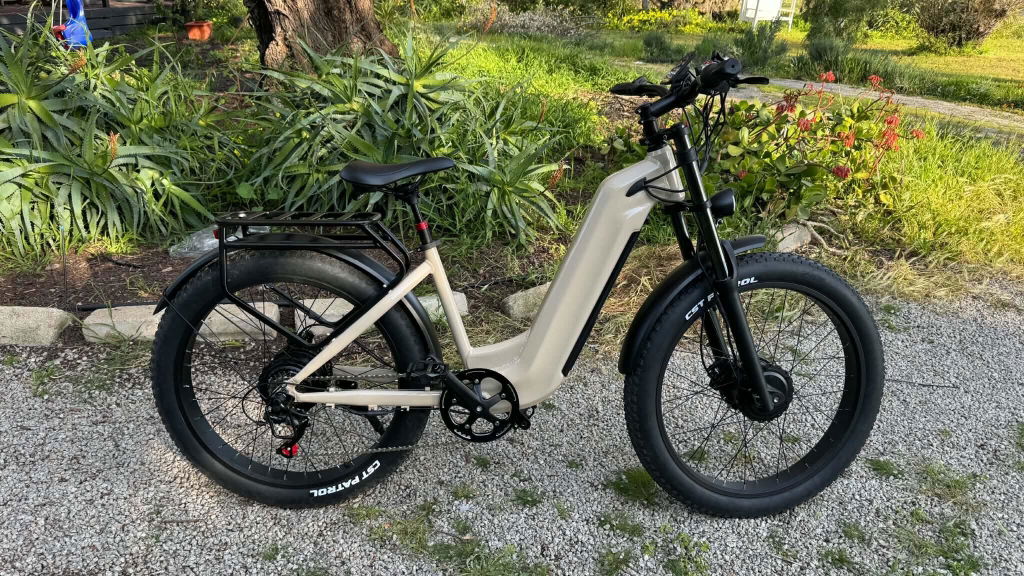
Start with the tyres. Wide, grippy tyres are the first line of defence against loose gravel, wet dirt and soft sand. Fat tyres offer a larger contact patch, which can improve float and comfort on rough ground. They are particularly useful for riders who want one e-bike for mixed use: suburban streets during the week and dirt tracks on the weekend.
There is a trade-off. Bigger tyres can add rolling resistance on sealed roads, so they may not feel as quick or efficient as narrower commuter tyres. For riders spending most of their time on pavement with occasional hard-packed trails, a mountain-style tyre with a more moderate width may be the better all-round choice.
Suspension is the next major difference maker. Front suspension takes the sting out of potholes, rocks and washboard surfaces while helping the front tyre stay connected to the ground. Full suspension adds comfort and control over rougher terrain because the rear wheel can better follow the track instead of bouncing across it. If your rides include proper trail bumps, rocky descents or long corrugated sections, that extra control is worth considering.
Power that helps when the track points up
A steep hill on loose ground needs more than speed. It needs controlled torque. A motor with strong low-speed pulling power helps you get moving without having to grind through every pedal stroke, especially when you are carrying a backpack, towing gear or tackling a climb after a long day.
Dual-motor e-bikes appeal to riders who want maximum drive and improved traction across demanding surfaces. With power delivered at both wheels, they can feel more planted when the ground is loose or uneven. This setup is a strong fit for private-property riding, off-road recreation and riders who regularly face serious hills.
More power is not always the right answer, though. It can add weight, use battery faster and demand more care with throttle or assist input on slippery ground. Smooth power delivery is what helps a rider stay in control. On a rocky climb, a sudden surge can break traction. On sand, a steady assist level can keep momentum flowing.
Before riding anywhere other than private land, check the e-bike rules that apply to your state, local council and the specific trail network. Some public paths and parks restrict motorised riding or only permit compliant pedal-assist e-bikes. A capable machine is best enjoyed where it is allowed and where its power can be used responsibly.
Battery range is different on dirt
Claimed range figures are usually based on favourable conditions. Rough terrain changes the equation. Soft ground, steep gradients, heavy rider loads, high assist settings and frequent stop-start riding all draw more energy from the battery.
That does not mean you need to avoid adventure rides. It means you should buy capacity with your real route in mind. A larger battery gives you a more useful margin when the track gets tougher than planned, when a headwind arrives, or when you decide to keep exploring past the original turnaround point.
For longer off-road sessions, use lower assist on flatter sections and save stronger modes for steep climbs, loose surfaces and tired legs. Keep tyre pressures suited to the terrain, too. Slightly lower pressure can improve grip and comfort on dirt, but going too low increases the risk of tyre damage or rim strikes. Follow the tyre and bike manufacturer guidance rather than guessing.
Choose the bike around your terrain, not the trend
The best bike for beach sand is not automatically the best choice for tight singletrack. Likewise, a lightweight trail e-bike may be excellent on packed dirt but less suited to a rider who wants to haul gear across uneven rural roads. The smart move is to match the bike to the surfaces you actually ride.
For gravel roads and bush tracks
Look for wide tyres with a versatile tread, front suspension, dependable hydraulic disc brakes and a battery that supports your expected distance. A stable frame and upright-but-active riding position will help you stay comfortable over longer stretches of uneven ground. This is the sweet spot for riders who want weekday transport and weekend escapes in one bike.
For sand, mud and soft ground
Fat tyres come into their own here. Their width helps prevent the bike from digging in as quickly, although very soft sand can still be demanding. Keep your momentum, choose a smooth line and avoid sharp steering inputs. Strong motor assistance can help, but technique and tyre choice do just as much work.
For steep, rocky and seriously rough terrain
Prioritise suspension, powerful brakes, frame strength and traction. Full suspension can reduce rider fatigue and improve stability when the surface is constantly changing. Riders tackling sustained climbs may also value a high-capacity battery and a drive system with strong low-end response. This is where a performance-focused e-bike earns its keep.
For mixed commuting and weekend adventure
A hardtail electric mountain bike or fat-tyre all-rounder is often the practical answer. You get enough comfort for potholes, gutters and gravel shortcuts without committing to a specialised trail-only build. Add mudguards, lights or a rear rack if your bike also needs to handle the work run or a trip to the shops.
Do not overlook brakes, fit and carrying capacity
When descending on loose ground, braking confidence matters as much as climbing power. Hydraulic disc brakes are a major advantage because they deliver consistent stopping force with less hand effort. Bigger rotors can offer additional heat management on long descents, but the key is predictable braking that lets you control speed rather than panic-stop.
Fit matters too. A bike that feels impressive in photos can be uncomfortable after 40 minutes on corrugations. Check the stand-over height, reach to the bars, saddle adjustment and whether the riding position suits your flexibility. Step-through frames can be a practical choice for riders who value easy mounting and dismounting, especially when carrying gear. They are not just for gentle riding.
If you plan to carry equipment, consider the total load rating, rack design and how weight changes handling. A loaded rear rack can make the front wheel feel lighter on steep climbs. Keep heavier items low and secure, and allow extra distance for braking. For family or utility riding, a cargo e-bike may handle the load better than trying to turn a trail bike into a pack mule.
Rough-terrain riding needs simple preparation
A quick pre-ride check prevents many avoidable problems. Make sure the battery is charged and locked in place, tyres are free of cuts, bolts are snug, brakes bite properly and the chain is lubricated. Pack water, a basic repair kit, a pump and enough battery margin to get home without stress.
After a dusty or muddy ride, clean grit from the drivetrain and inspect the tyres. Do not blast electrical parts, bearings or seals with high-pressure water. A little regular care protects performance and keeps the bike ready for the next ride.
The most useful e-bike is the one that makes you look at a steep track, a rough shortcut or a weekend away and think, good, let us go. Merkx performance e-bikes are designed around that kind of Australian riding: real power, practical comfort and the confidence to take the road less polished.